What Is a Mortise Lock and Why Older Rye Homes Rely on Them
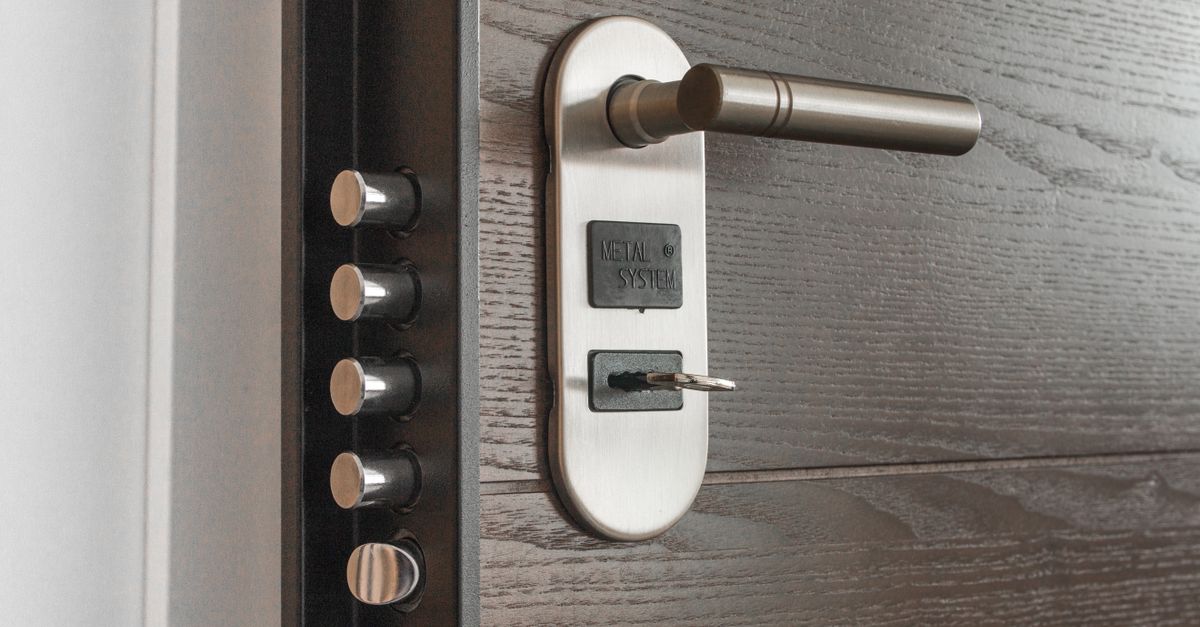
A mortise lock is a complete locking mechanism — bolt, latch, strike, and often a deadbolt — housed inside a rectangular pocket, or mortise, that's chiseled directly into the edge of a door. Unlike a cylindrical bored lock (the type most modern hollow-core doors use), a mortise lock set distributes load across a large metal chassis seated deep in solid wood, which is exactly why builders specified them in Rye's older housing stock. The pre-war doors on Milton Harbor-area homes and the thick-stile entries found throughout the Forest Avenue corridor were built around this format; retrofitting a modern cylindrical lock without a proper mortise plate would mean visible gaps, weakened door edges, and an aesthetic mismatch that no homeowner wants.
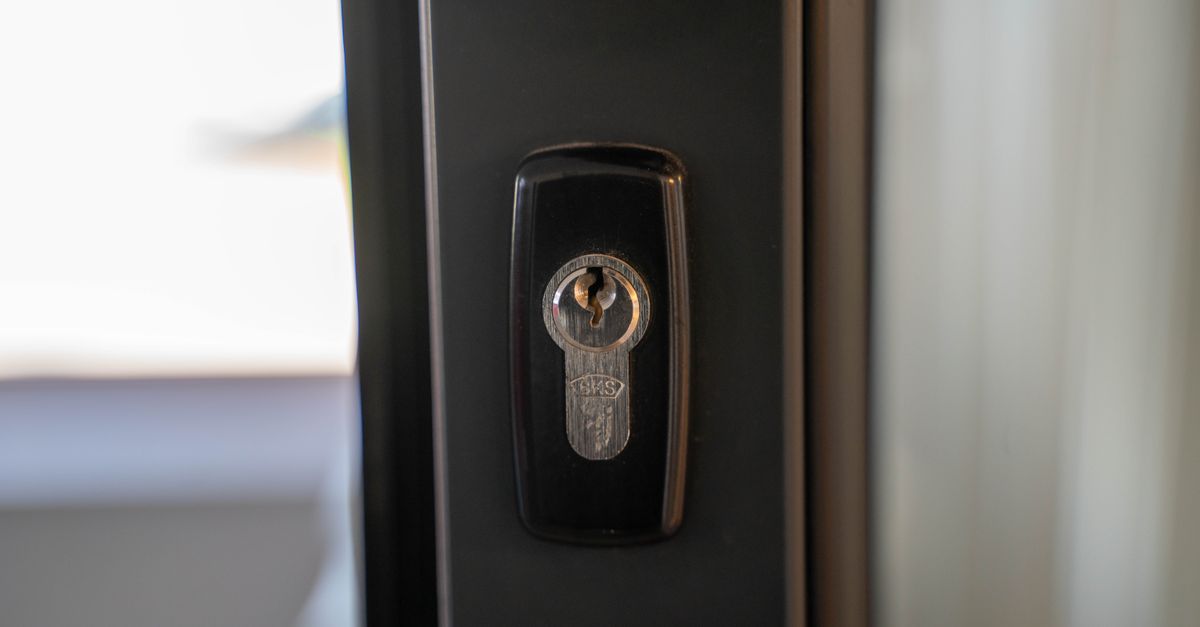
Inside the chassis you'll find separate mechanisms for the latch, the deadbolt, and in many period pieces, a privacy or passage function — all operated through a single mortise lock cylinder or a pair of cylinders front and back. The trim — knobs, levers, escutcheon plates, roses — bolts through the door and threads into the chassis. Over time, internal springs fatigue, cam followers wear flat, and the cylinder plug develops enough play that the key no longer reliably rotates the bolt. That's the point at which repair or full replacement becomes necessary, and it's work that calls for a trained locksmith rather than a general handyman.