Signs Your Door Knob Lock Needs Replacing, Not Just Rekeying
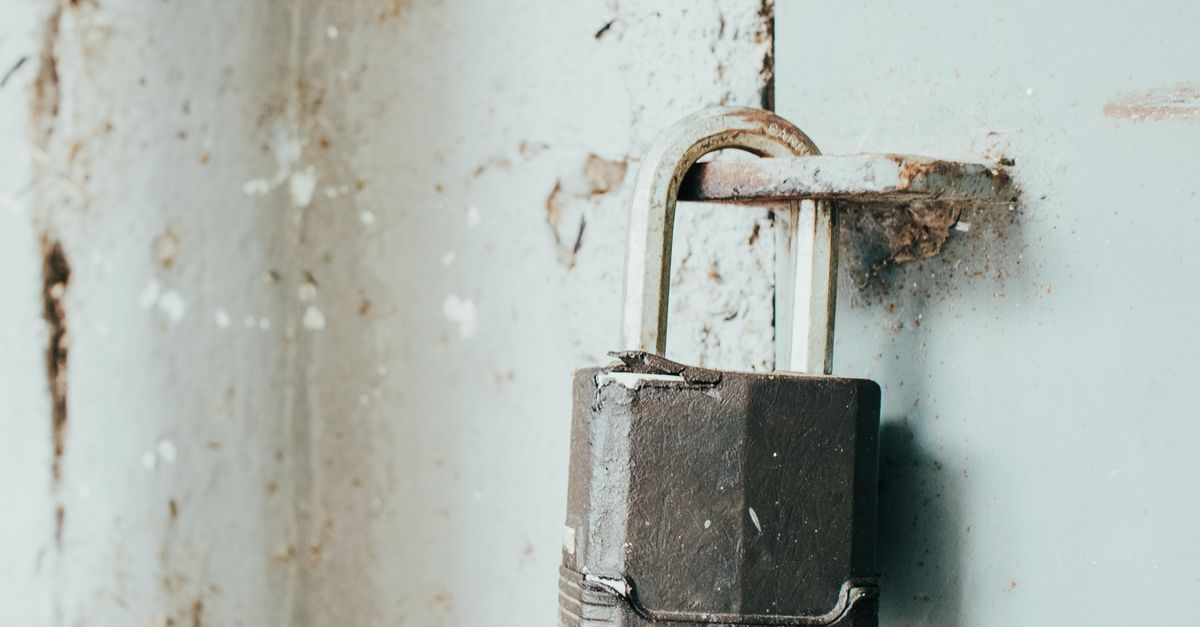
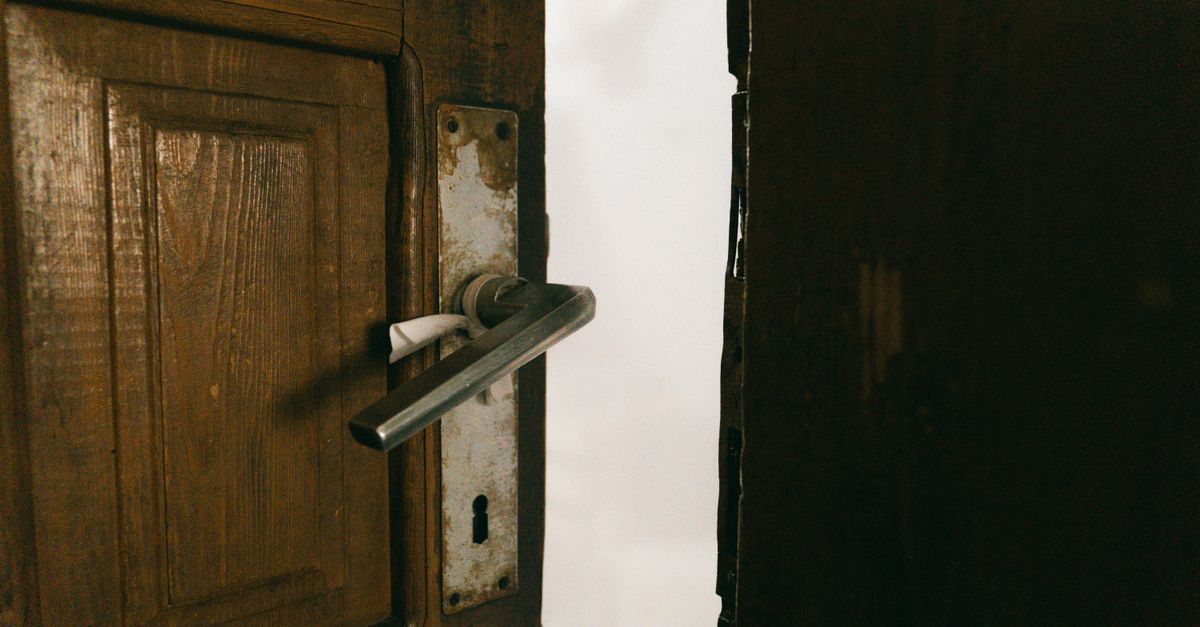
A worn knob lock often gives warning before it fails completely. The knob spins freely without engaging the latch, the key sticks or requires jiggling to turn, or the lock cylinder feels loose and wobbly in the housing. In older Rye homes — especially those built before the 1970s — you may encounter a mortise lock set where the entire lock body is recessed into the door edge. These mortise lock assemblies are exceptionally durable, but when the internal mechanism finally wears out, a simple rekey is not enough; the whole cartridge or lock body needs to be swapped. Our technicians assess the existing hardware and tell you honestly whether a rekey will hold up or whether a full door knob lock replacement is the smarter long-term investment.
Interior doors present a slightly different picture. A door knob with lock for bedroom use — the push-button or twist-privacy type — often fails because the small internal spring breaks or the latch bolt bends from being slammed repeatedly. On entry doors, a double lock door knob setup (a keyed knob paired with a separate deadbolt) adds a layer of security that single-knob installations simply cannot match. If your entry is currently protected by only a knob lock, we can upgrade you to a dual-hardware configuration in the same appointment.