Toyota Car Key Replacement: What Makes Toyota Keys Different
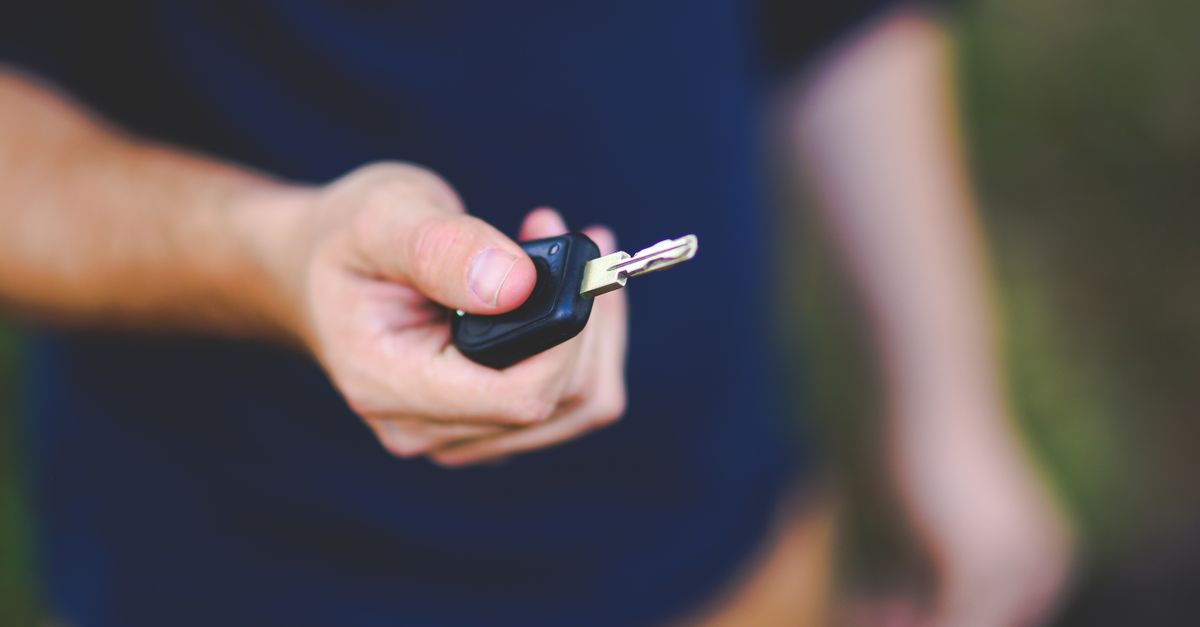
Toyota has used several generations of key technology across its lineup, and the differences matter a great deal when it comes to replacement. Older Toyotas from the 1990s and early 2000s used basic metal keys with no electronics — straightforward to cut but still requiring the right key blank and a precise cut. Starting in the mid-1990s, Toyota introduced transponder chips embedded in the key head. These chips communicate with the vehicle's immobilizer system; if the chip isn't present or isn't programmed correctly, the engine simply won't start even if the cut is perfect. From the mid-2000s onward, Toyota rolled out remote head keys and separate key fobs that added lock, unlock, and panic functions. The newest Toyotas use proximity smart keys — also called key fobs or push-to-start keys — that allow keyless entry and push-button ignition as long as the fob is within range of the car.
Toyota car key replacement for these newer systems requires both cutting the physical blade (used as a backup mechanical key) and programming the transponder or smart-key data to match the vehicle's specific immobilizer and body control module. Our technicians carry professional-grade key-cutting machines and OBD programming tools that handle this entire process on-site, right in your driveway, your office parking lot, or wherever you happen to be stranded. We verify proof of ownership — typically your ID and vehicle registration — before any work begins, which protects both you and the integrity of the service.