What Makes Audi Car Key Replacement More Complex Than a Standard Key Cut
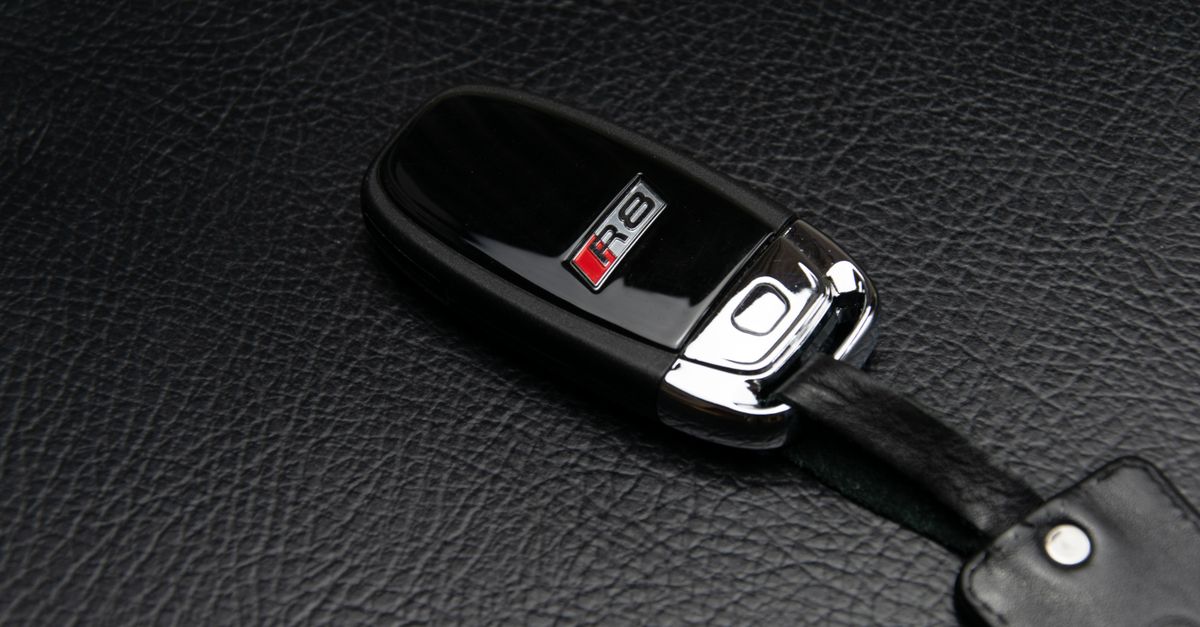
Audi has used several generations of key technology over the years, and each one requires a different approach. Older Audi models used a basic transponder key — a blade-cut key with a passive chip embedded in the head that must be synchronized to the vehicle's immobilizer system. If the chip is missing, damaged, or unprogrammed, the engine simply will not start even if the blade turns the lock cylinder perfectly. Mid-generation Audis moved to flip keys with remote fob functionality built in, adding a layer of radio-frequency coding that must also match the vehicle's body control module. The most current Audi models use a proximity smart key — often called a Keyless-Go or Advanced Key — that allows push-button starting and hands-free locking without ever removing the key from your pocket. Each of these systems demands purpose-built diagnostic and programming tools, not a generic key-cutting machine.
Because Audi integrates its key systems tightly with the car's electronics, a replacement that skips the programming step will leave you with a key that fits the door but does nothing for the ignition or the push-button start. Our experienced technicians carry OEM-compatible programming interfaces that allow us to add a new key directly to the car's ECU, delete lost keys from the system so they can no longer be used, and confirm successful pairing before we pack up and leave your location. This is why Audi key replacement is firmly in the category of auto locksmith work — a discipline that sits at the intersection of precision key cutting, automotive electronics, and security protocol — rather than a simple blade duplication job.