Rye Locksmith Service Team
Local locksmith team
May 22, 2026 9 min read
If you run a shop along Purchase Street or manage a small office near Rye's Milton Point waterfront, you already know that foot traffic and visibility are great for business — and they also mean your front door works harder than almost any lock in a residential neighborhood. The right commercial hardware is not just about keeping doors closed; it is about controlling who comes and goes, protecting your inventory after hours, and giving your staff a system they can actually use every day without frustration.
This guide breaks down the three lock systems that Rye storefront owners ask about most: commercial mortise locks, panic hardware (also called exit devices), and master key systems. We will explain how each one works, where it fits, and what to look for when upgrading — so that when you call Rye Locksmith at (914) 219-0995, you already know the right questions to ask.
## Why a Mortise Lock Is the Foundation of Any Rye Storefront
A mortise lock is the workhorse of commercial door security. Unlike a simple door knob lock or a rim-mounted deadbolt that sits on the surface of the door, a mortise lock is mortised — meaning it is cut directly into the body of the door and held in a solid steel pocket. The result is a lock that cannot simply be kicked loose or shimmed open, because the mechanical assembly is fully inside the door itself. For a downtown Rye shop with a heavy glass-and-aluminum door frame — the kind you see along Boston Post Road — a mortise lock is almost always the right call. It handles high-cycle use (dozens of openings per day) without wearing out the way a consumer-grade knob or lever set will.
Full-function mortise lock sets typically combine a deadbolt, a latch, a cylinder, and often a thumbturn in a single cartridge. That means one hardware item is doing the work of three separate products. When a Rye Locksmith technician installs a commercial mortise lock, we size the backset precisely to your door thickness, choose a cylinder grade appropriate to your traffic level, and confirm that the strike plate and frame reinforcement are solid enough to match the lock's rated strength. A high-grade mortise lock installed into a weak frame is only as good as the weakest link, so we always evaluate the full door system, not just the lock itself.
## Panic Hardware and Exit Devices: Compliance Meets Real-World Security
Any Rye business that has a public occupancy load — a retail shop, a restaurant, a gym, a salon — is almost certainly required by the New York State Building Code to have approved panic hardware on at least one egress door. Panic hardware (the horizontal push bar across the inside of a door) allows any person to exit quickly in an emergency without operating a knob or a key. It is a life-safety device first. But it is also a security device, because the best commercial exit devices combine the free-egress push-bar on the inside with a high-security mortise lock cylinder on the outside — so staff can exit instantly while the door remains locked against entry from the street.
Where small business owners often go wrong is mixing residential-grade hardware with a commercial panic device, or installing a panic bar without a proper coordinator on a double door. A door coordinator ensures that the active leaf closes before the inactive leaf, so the latch actually engages. Without it, the door can bounce back open. Our commercial locksmith team handles these installations as a complete system: panic device, door closer, coordinator, surface-mounted vertical rods (on double doors), and the matching mortise lock cylinder — all fitted and tested before we leave. If you are retrofitting an older Purchase Street storefront that was built before current code, we can also advise you on what an inspector will look for.
## Master Key Systems: One Key for You, Controlled Access for Everyone Else
A master key system is the practical answer to the question every small business owner eventually faces: how do I give my morning shift manager access to the front door without also giving them access to my office safe room, stockroom, or cash drawer cabinet? A properly designed master key system lets you define a hierarchy of access. A grandmaster key opens everything. A master key opens a defined zone. A change key opens only a single lock. No one has to carry a bulky ring of keys, and if a change key is lost or an employee leaves, you rekey only the locks that key was cut to open — not the entire building.
Setting up a master key system for a Rye storefront is not a DIY project. It requires a pinning chart, restricted keyways (so that keys cannot be copied at a hardware store), and precise cylinder work so that the master pins do not create unintended shear points that compromise security. Rye Locksmith designs and installs master key systems using commercial-grade cylinders from trusted hardware lines, and we keep your pinning records on file so that future rekeying or key additions are fast and consistent. If you are opening a second location in the area, we can even extend the same masterkey system across both sites. If you have questions about your current key control situation or want a free walkthrough of your door hardware, call us at (914) 219-0995 — we answer around the clock.
## Choosing the Right Lock Grade for Your Specific Door
Not every door in a small business needs the same hardware grade, and over-specifying can be just as problematic as under-specifying when it means the budget runs out before the back-of-house doors get addressed at all. ANSI/BHMA (the hardware grading standard) rates commercial locks in Grade 1, Grade 2, and Grade 3. A Rye boutique's front entry door — used by the public dozens of times a day — warrants Grade 1 commercial mortise lock hardware. An interior office door that only the owner uses twice a day might be appropriately served by a Grade 2 lever set. A storage closet might use a simple Grade 1 deadbolt.
Door material matters just as much as lock grade. Hollow-core wood doors, which sometimes appear in older downtown Rye buildings, cannot hold a mortise lock properly and should be upgraded before any high-security cylinder is installed. Steel hollow-metal doors, common in back-of-house and loading areas, are ideal for surface-mounted vertical rod panic devices. Aluminum storefront frames, which dominate ground-floor retail along Boston Post Road and in Rye Ridge shopping areas, typically require a specific mortise lock format designed for narrow-stile aluminum — a detail that matters enormously when ordering parts. Our technicians measure and specify before they order, so installations do not stall because the wrong cartridge arrived.
## What Determines the Cost of a Commercial Lock Upgrade?
Business owners reasonably want to know what they are going to spend before they commit. The final price for any commercial lock project depends on several factors: the number and type of doors being addressed, the grade and brand of hardware specified, whether existing door prep needs to be modified (for example, cutting a mortise pocket into a door that currently has only a cylindrical bore), the time of day the work is needed, and travel distance to your location within the Rye service area. An emergency commercial locksmith call at 2 a.m. is priced differently than a scheduled morning installation appointment.
What we commit to at Rye Locksmith is full transparency before any work begins. A technician will assess your doors, explain the options, and confirm an exact price with you before touching a single screw. There are no surprise charges added after the job. That applies whether you are scheduling a master key system installation for a multi-door retail space or calling for urgent help after a break-in attempt damaged your mortise lock housing overnight. Our team is insured, experienced in commercial hardware, and familiar with the specific door styles common in Rye's mix of historic downtown buildings and newer Rye Brook commercial developments.
Frequently asked questions
Do you need a license to be a locksmith in New York?+
New York State does not currently have a statewide licensing requirement specifically for locksmiths, which means the most important thing you can do is verify that any locksmith you hire is insured, carries real business credentials, and is willing to confirm pricing in writing before starting work. Rye Locksmith is insured and our technicians are trained professionals with hands-on experience in residential, commercial, and automotive work. We are also a locally based team — we live and work in this community — so our reputation here matters to us directly.
Can a locksmith let me into my house or business if I am locked out?+
Yes — and this is one of the most common calls we receive, both for homes and storefronts. When you call, we will ask you to verify ownership or occupancy (a lease agreement, a utility bill, a business license, or similar documentation works fine for commercial properties). Once confirmed, a technician comes to you and uses professional non-destructive entry methods to open the door. We always try to get you in without damaging the lock. If the lock itself is faulty or damaged, we will explain your options and price out a replacement on the spot before doing any additional work. For urgent lockouts in Rye, call (914) 219-0995 — we are available 24 hours a day, seven days a week.
What is the difference between a locksmith and an auto locksmith?+
A general locksmith handles door locks, deadbolts, mortise locks, master key systems, safes, and commercial hardware across residential and business properties. An auto locksmith specializes in vehicle entry, transponder key programming, ignition cylinder work, and key fob replacement for cars, trucks, and vans. Many professional locksmith operations — including our team at Rye Locksmith — cover both disciplines, which means one call can handle a locked car in a Rye parking lot and a damaged storefront lock on the same trip if needed. If you are unsure whether your situation is a residential, commercial, or automotive job, just describe it when you call and we will send the right technician with the right equipment.
Is a mortise lock really necessary for a small shop, or will a heavy-duty door knob lock do the job?+
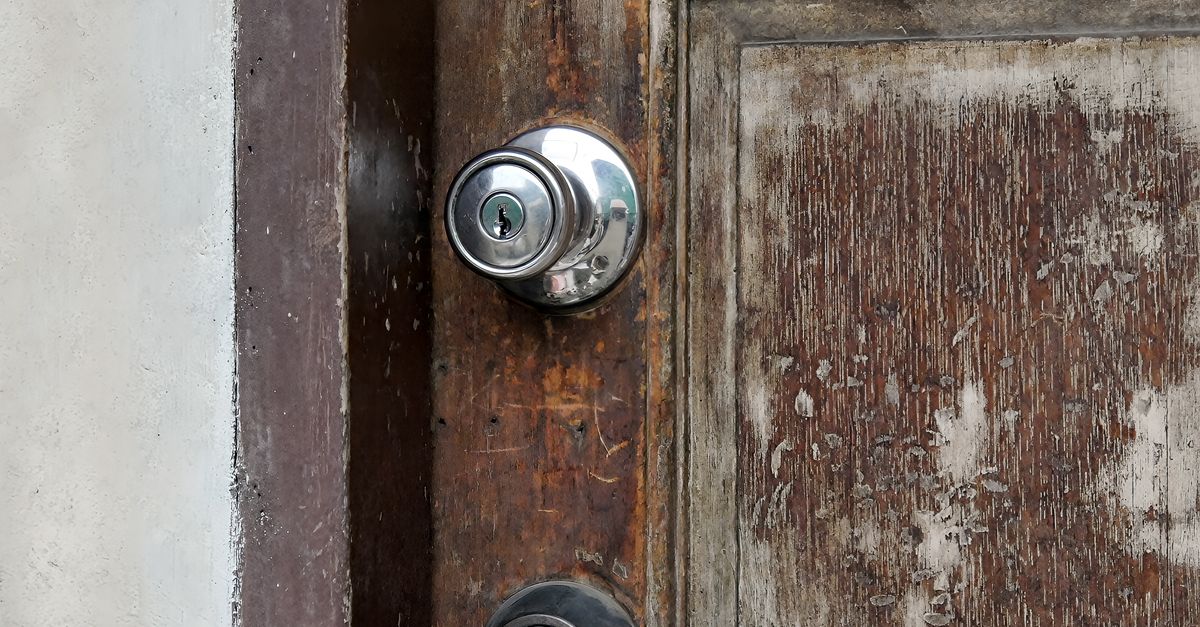
A door knob lock alone is almost never sufficient for a commercial storefront front door. Knob and lever sets are rated for interior residential use; they are vulnerable to simple forced-entry techniques and they wear out quickly under the cycle counts a busy retail door generates. A commercial mortise lock is cut into the door body, making it dramatically more resistant to both forced entry and everyday mechanical wear. For most downtown Rye storefronts, we recommend a mortise lock on the front entry and on any door that accesses a cash-handling or inventory area. Interior doors with lower traffic and lower risk can often use a commercial-grade cylindrical lock to balance security with budget.